South Florida Indoor Air Quality Blog

A white high-rise condominium building in South Florida with rows of balconies, palm trees visible on the rooftop, and a bright blue sky with billowing clouds above.

What Is a Chilled Water HVAC System? How Large Buildings Centralize Cooling

Beyond Split Systems: How Large Buildings Cool Efficiently at Scale When a building gets large enough — a high-rise office tower, a hospital, a large hotel, a university campus — individual split-system air conditioners stop making practical sense. Running refrigerant lines to hundreds of individual outdoor units is expensive, difficult to maintain, and mechanically complex.

water source heat pump

What Is a Water-Source Heat Pump? How Large Buildings Stay Comfortable Efficiently

When “Outdoor Air” Isn’t Part of the Design Standard air-source heat pumps and air conditioners exchange heat with the outdoor air — but in a high-rise building, a hotel, or a large condominium complex, running individual refrigerant lines to hundreds of outdoor units is impractical. Water-source heat pump (WSHP) systems solve this problem elegantly: instead

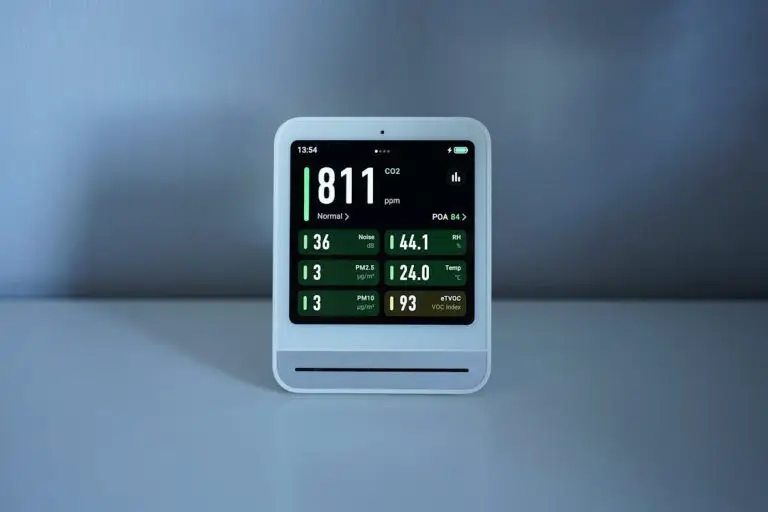
indoor air quality monitor displaying CO2 and humidity readings on desk

CO₂ and Humidity: The Two IAQ Numbers Every Building Manager Should Monitor

Two Numbers That Tell You Almost Everything About Your Building’s Air Building managers and facility teams often have dashboards full of metrics — energy consumption, equipment runtimes, maintenance schedules, occupancy data. But when it comes to indoor air quality, two measurements provide more actionable information than all the others combined: CO2 concentration and relative humidity.