The Perfect Storm for Mold Growth
South Florida is one of the most mold-prone regions in the United States. The combination of year-round heat, humidity that regularly exceeds 80 percent, frequent rainfall, and hurricane-related water intrusion creates conditions that mold fungi find ideal. Understanding why this region is so vulnerable is the first step toward protecting your home and the air your family breathes.
How Mold Gets In — and Stays
Mold spores are always present in outdoor air. They become a problem when they land on a surface with adequate moisture, a food source (essentially any organic material), and suitable temperatures. In South Florida, the moisture threshold is almost always met. The challenge is controlling moisture inside the building envelope.
The primary moisture pathways in South Florida homes include: roof leaks and improper flashing, plumbing leaks inside walls and under slabs, condensation on cold water pipes and poorly insulated ductwork, inadequate bathroom and laundry ventilation, and flood or storm surge intrusion. Each of these can establish a mold colony within 24 to 48 hours of a moisture event.
The Role of Air Conditioning in Mold Prevention
In this climate, your air conditioning system is your single most important mold prevention tool. A properly functioning AC system does two things simultaneously: it cools the air and it removes moisture. When indoor relative humidity stays below 60 percent — ideally 50 percent or lower — mold cannot sustain active growth on most building materials.
Problems arise when AC systems are oversized, improperly maintained, or run intermittently. An oversized unit cools the space quickly but shuts off before it has run long enough to adequately dehumidify the air. This results in a cool but humid environment — exactly what mold needs. Similarly, when systems are shut off during vacations or seasonal absences, indoor humidity can spike above 70 percent within days, triggering widespread mold growth.
Warning Signs You Shouldn’t Ignore
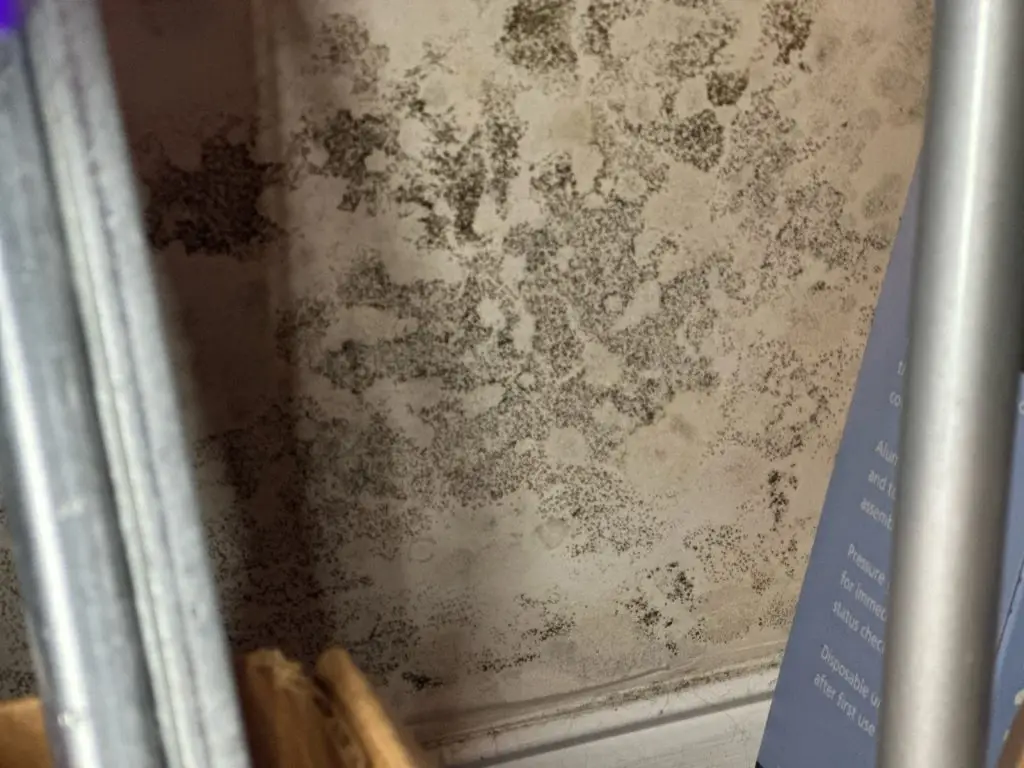
Many South Florida homeowners discover mold only after it has become a significant problem. Common warning signs include: a persistent musty odor that worsens when the AC turns on, visible dark staining on drywall, ceiling tiles, or grout lines, unexplained respiratory symptoms that improve when you leave the building, and visible condensation on walls or windows during the summer months.
When Professional Assessment Is Necessary
Not all suspected mold situations require professional testing, but several circumstances warrant it: when mold is suspected but not visible (often hidden inside walls, under flooring, or in HVAC systems), after any significant water intrusion event, when occupants experience persistent health symptoms, and before purchasing or renting a property. A licensed Florida Mold Assessor can identify the extent and type of contamination and provide a remediation protocol that can be independently verified.
Remediation Is Not DIY
Florida law (Chapter 468, Part XVI) requires that mold assessments and significant mold remediation be performed by licensed professionals. Beyond the legal requirements, there are practical reasons: improper disturbance of mold colonies can aerosolize millions of spores, spreading contamination throughout the building and increasing exposure risk for occupants.
If you suspect mold in your South Florida home, the right first call is to a licensed assessor — not a remediation contractor — so that you receive an objective evaluation before any work begins.