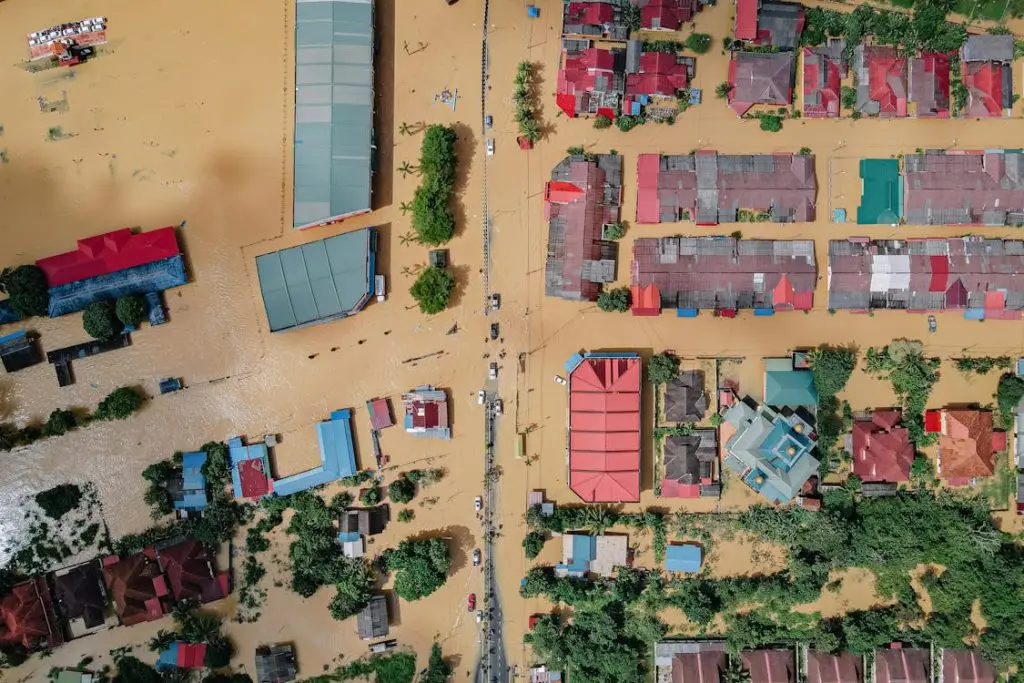
The 72-Hour Window That Determines Everything
After a hurricane or major tropical storm passes, most South Florida homeowners focus immediately on visible structural damage — missing roof sections, broken windows, downed trees. But the indoor air quality threat that unfolds in the days following a storm is less visible, moves faster, and in many cases causes more lasting damage to a home’s habitability than the storm itself.
The IICRC S500 Water Damage Restoration Standard and S520 Mold Remediation Standard both identify the first 24–72 hours after water intrusion as the critical window. Under South Florida’s warm, humid conditions, mold colonization can begin on saturated drywall, wood framing, and insulation within 24–48 hours. If wet materials are not dried to below 16% moisture content within 72 hours, remediation — not just drying — becomes necessary. The difference in cost and disruption is enormous.
Hour 0–12: Assess Before You Re-Enter
Do not re-enter your home until the structure has been confirmed safe by local authorities, utilities have been secured, and there is no standing water in contact with electrical panels or outlets. Once inside, your first IAQ priorities are:
- Ventilation: Open windows and doors if outdoor humidity is lower than indoor levels (use a simple hygrometer). Post-storm outdoor air in South Florida is often still humid, so this is a judgment call — but moving air reduces surface moisture accumulation on walls and floors.
- Stop ongoing water intrusion: Tarps on damaged roofing, towels or barriers at door thresholds, and emergency boarding of broken windows all limit how much additional moisture enters the building envelope.
- Document everything: Before moving or discarding anything, photograph all water damage for insurance purposes. Your indoor air quality remediation costs may be covered under your homeowner’s policy depending on the cause.
Hour 12–48: Aggressive Drying
This is when professional water damage mitigation makes the biggest difference. Industrial dehumidifiers and air movers placed by an IICRC-certified Water Damage Restoration Technician (WRT) can achieve drying rates that consumer equipment simply cannot match. If you are doing it yourself, rent the largest commercial dehumidifier available and position multiple box fans to create directional airflow across wet surfaces. Target indoor relative humidity below 50% as quickly as possible.
Remove and discard any porous materials that have been saturated: drywall, carpet, padding, and insulation that have been in contact with floodwater (which is classified as Category 3 contaminated water per IICRC S500) cannot be effectively dried in place and must be removed. This is non-negotiable from a mold and IAQ standpoint, even when the materials appear structurally intact.
Hour 48–72: Test Before You Close Up
Before replacing drywall or enclosing any wall cavities that were opened for drying, verify that all structural materials have reached acceptable moisture content levels — below 16% for wood framing per IICRC standards. Use a pin-type or pinless moisture meter on every structural member. Any reading above threshold means the cavity is not ready to close and visible mold growth is imminent.
If you cannot perform moisture testing yourself, a licensed Florida mold assessor (required under Florida Statute 468.8411) can document post-drying conditions as part of a clearance protocol. This documentation also supports insurance claims and provides legal protection if mold-related disputes arise later.
HVAC System: The Overlooked Post-Storm Priority
Your AC system almost certainly pulled storm-debris-laden air and moisture-laden outdoor air through its filters and ducts during and after the storm. Post-storm HVAC protocol includes: replacing all filters immediately, inspecting the evaporator coil and drain pan for debris and biological growth, and running the system continuously to dehumidify — but monitoring supply registers for any musty odor that indicates duct contamination. If the system was flooded or had water contact with the air handler, do not restart it until a qualified HVAC technician has inspected it.
When to Call a Professional
The EPA’s mold guidance recommends professional remediation for any mold growth exceeding 10 square feet. After a hurricane water intrusion event, it is realistic to assume that mold growth will exceed that threshold in wall cavities within days of the storm — even if none is visible yet. Engaging a licensed Florida mold assessor within the 72-hour window to document conditions and develop a drying/remediation protocol is a sound investment that routinely pays for itself in reduced remediation costs and insurance claim support.