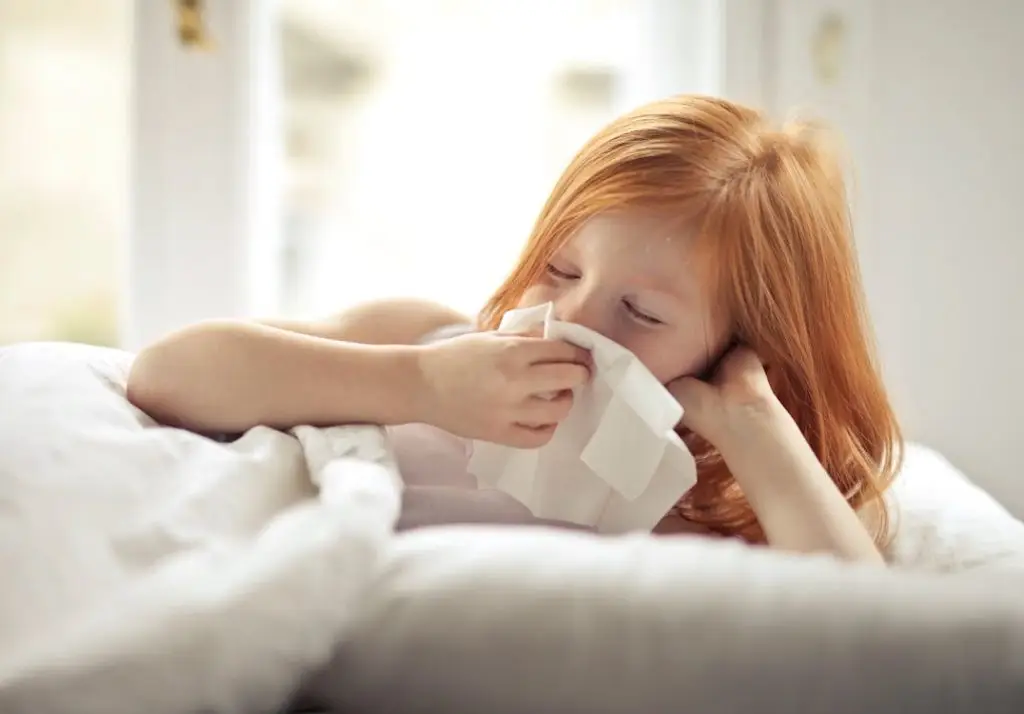
Why Children Are Disproportionately Affected by Indoor Air Pollutants
Children breathe more air relative to their body weight than adults — roughly twice as much per kilogram — and their developing respiratory and immune systems are more vulnerable to the effects of airborne pollutants and allergens. They also spend more time indoors than most adults, particularly in South Florida where outdoor air quality during summer months, red tide season, and hurricane season frequently drives families inside. The combination of higher exposure, greater physiological sensitivity, and more time indoors makes indoor air quality a pediatric health issue of genuine significance.
The American Academy of Pediatrics (AAP), the American Academy of Allergy, Asthma & Immunology (AAAAI), and the CDC all identify indoor allergen exposure as a major modifiable risk factor for childhood asthma development and exacerbation. In South Florida, where asthma rates in school-age children exceed the national average in several counties, addressing indoor allergen load is one of the most impactful health interventions available to parents.
Dust Mites: The Primary Indoor Allergen in Florida Homes
Dust mites are microscopic arachnids that live in mattresses, pillows, upholstered furniture, and carpeting, feeding on shed human skin cells. In South Florida’s humidity, they thrive year-round — unlike in drier climates where they die off seasonally. The allergen is not the mite itself but its fecal pellets, which are protein particles small enough to become airborne during normal disturbance (making beds, sitting on furniture, vacuuming).
The EPA and AIHA both identify relative humidity below 50% as the most effective dust mite control measure — mites cannot survive at this humidity level. In South Florida, achieving consistent RH below 50% requires a properly sized, well-maintained AC system and, in many homes, a supplemental whole-home dehumidifier. Other evidence-based interventions include allergen-impermeable mattress and pillow encasements (the most cost-effective single intervention per AAAAI guidelines), washing bedding weekly in water above 130°F, and removing carpeting from bedrooms.
Cockroach Allergen: South Florida’s Overlooked Asthma Trigger
Cockroach allergen (primarily the proteins Bla g 1 and Bla g 2 from Blattella germanica and Periplaneta americana) is one of the most potent asthma triggers in urban and subtropical environments. Studies published in the Journal of Allergy and Clinical Immunology have found cockroach sensitization rates exceeding 60% in asthmatic children in warm-climate urban areas. South Florida’s year-round warmth, humidity, and older housing stock make cockroach allergen a significant and frequently overlooked contributor to pediatric asthma in our region.
Cockroach allergen particles are heavy and settle onto surfaces rather than remaining airborne for extended periods — meaning they primarily reach children through direct surface contact and hand-to-mouth transfer rather than inhalation alone. IPM (Integrated Pest Management) using gel bait products rather than broadcast spraying is the recommended control method, combined with sealing entry points, eliminating food and water sources, and professional structural pest control where infestations are established.
Mold: Year-Round Risk for South Florida Children
Early-life mold exposure is associated with increased risk of asthma development in children with genetic susceptibility — this association is one of the most consistent findings in pediatric respiratory epidemiology. South Florida’s climate makes mold exposure nearly unavoidable without active IAQ management. Priority areas for parents include: HVAC evaporator coil and drain pan maintenance (primary indoor mold amplifier), bathroom exhaust fan adequacy (must vent to exterior, not attic space), and prompt response to any water intrusion event within 24–48 hours before mold colonization can establish.
Pet Allergens and Fine Particles
Pet dander — shed skin and dried saliva proteins from cats, dogs, and other animals — is a potent allergen that becomes airborne easily and remains suspended for extended periods. HEPA-grade air filtration (MERV 13 in central HVAC or standalone True HEPA purifiers) provides meaningful reduction of airborne pet allergen concentrations. Because pet allergen particles adhere strongly to soft surfaces, regular vacuuming with a HEPA-filtered vacuum and frequent washing of pet bedding are important adjuncts to filtration.
Fine particulate matter (PM2.5) from outdoor sources — traffic emissions, construction, red tide aerosols, wildfire smoke — enters South Florida homes through HVAC systems and building infiltration. The EPA’s Air Quality Index (AQI) for PM2.5 should inform when to close fresh-air dampers and run high-efficiency filtration. Children with asthma should not engage in outdoor physical activity when AQI exceeds 100 (Unhealthy for Sensitive Groups).
An Action Plan for South Florida Parents
The most impactful steps to reduce indoor allergen load for asthmatic children in South Florida are: allergen-impermeable bedding encasements on all mattresses and pillows in the child’s room; maintaining indoor RH below 50% consistently; upgrading to MERV 13 HVAC filtration with monthly replacement; adding a True HEPA purifier in the child’s bedroom running continuously; scheduling annual HVAC maintenance including coil inspection; and eliminating carpeting in the bedroom if possible. For children with diagnosed asthma or allergies, a consultation with a board-certified allergist can identify specific sensitizations through skin or blood testing, allowing IAQ interventions to be prioritized toward the most relevant triggers rather than a generic approach.