The Indoor-Asthma Connection
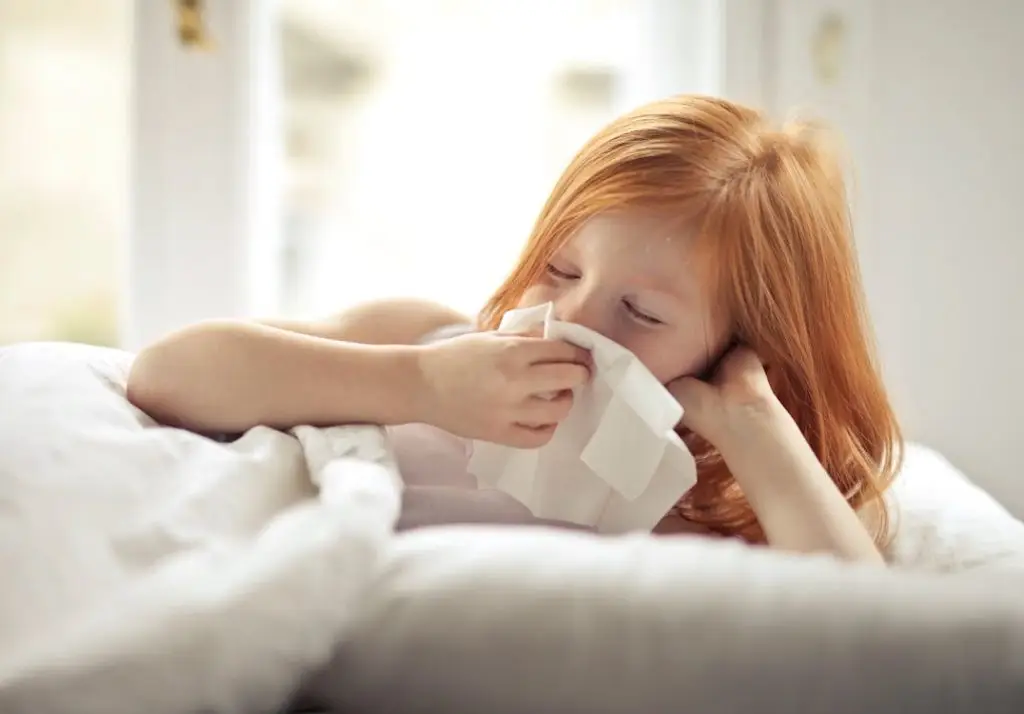
Asthma is one of the most common chronic conditions affecting children and adults in the United States, and Florida’s rates track closely with national averages. What many families don’t fully appreciate is how profoundly indoor air quality influences asthma control. The EPA estimates that Americans spend approximately 90 percent of their time indoors, meaning that the air quality inside the home is the dominant environmental exposure for most asthma patients — far outweighing outdoor air quality in terms of day-to-day symptom burden.
The Big Four Indoor Asthma Triggers in South Florida
Dust mites are the most significant indoor allergen trigger for asthma in this region. These microscopic organisms thrive in bedding, upholstered furniture, and carpeting wherever relative humidity exceeds 50 percent — which, in a poorly controlled South Florida home, is nearly everywhere. Their fecal particles and body fragments become airborne when disturbed and are small enough to penetrate deep into the airways.
Mold is the second major trigger, and South Florida’s climate makes mold exposure nearly universal. Mold spores are potent asthma triggers even in individuals who are not traditionally considered “allergic” to mold; the inflammatory response they provoke in sensitized airways can cause severe exacerbations. Indoor mold at levels that don’t cause visible growth can still produce spore concentrations sufficient to affect asthma control.
Cockroach allergen is particularly relevant in South Florida, where the subtropical climate supports year-round cockroach populations. Cockroach body parts, saliva, and feces produce a potent allergen that becomes airborne in infested homes. Studies of inner-city asthma — a significant problem in Miami-Dade and Broward counties — have consistently identified cockroach allergen sensitization as a primary driver of severe, difficult-to-control asthma.
Tobacco smoke and secondhand smoke remain significant asthma triggers. Even residual smoke contamination in walls, carpets, and HVAC systems of previously smoked-in homes — called thirdhand smoke — can release nicotine and combustion byproducts into indoor air for months to years.
Environmental Control: The Evidence Base
Environmental control interventions — reducing allergen and irritant exposure in the home — are a first-line recommendation in all major asthma management guidelines. For dust mite control, the evidence supports allergen-impermeable mattress and pillow encasements, washing bedding weekly in hot water, and reducing bedroom humidity below 50 percent. Removing carpeting from bedrooms, while a significant undertaking, has been shown to measurably reduce dust mite allergen exposure.
Cockroach control requires integrated pest management — sealing entry points, eliminating food and water sources, and using baits rather than spray pesticides (which add chemical irritants to indoor air while being less effective at colony elimination). HEPA vacuum cleaners and high-filtration HVAC filters help remove allergen particles that persist in settled dust after pest activity has been reduced.
When IAQ Testing Helps Asthma Management
When a child or adult with asthma has persistent or worsening symptoms despite appropriate medical treatment, and particularly when symptoms correlate with time spent at home, an indoor air quality assessment can identify specific triggers driving that pattern. Air and surface sampling for mold, dust mite allergen, and other contaminants provides objective data to guide targeted environmental interventions — more useful than broad, expensive renovations pursued without a specific diagnosis.
If your child’s allergist or pulmonologist recommends an environmental assessment, seek a qualified professional who can provide actionable, specific findings rather than generic recommendations. The goal is to identify what is actually in your specific home’s air, not what is generally common in South Florida.