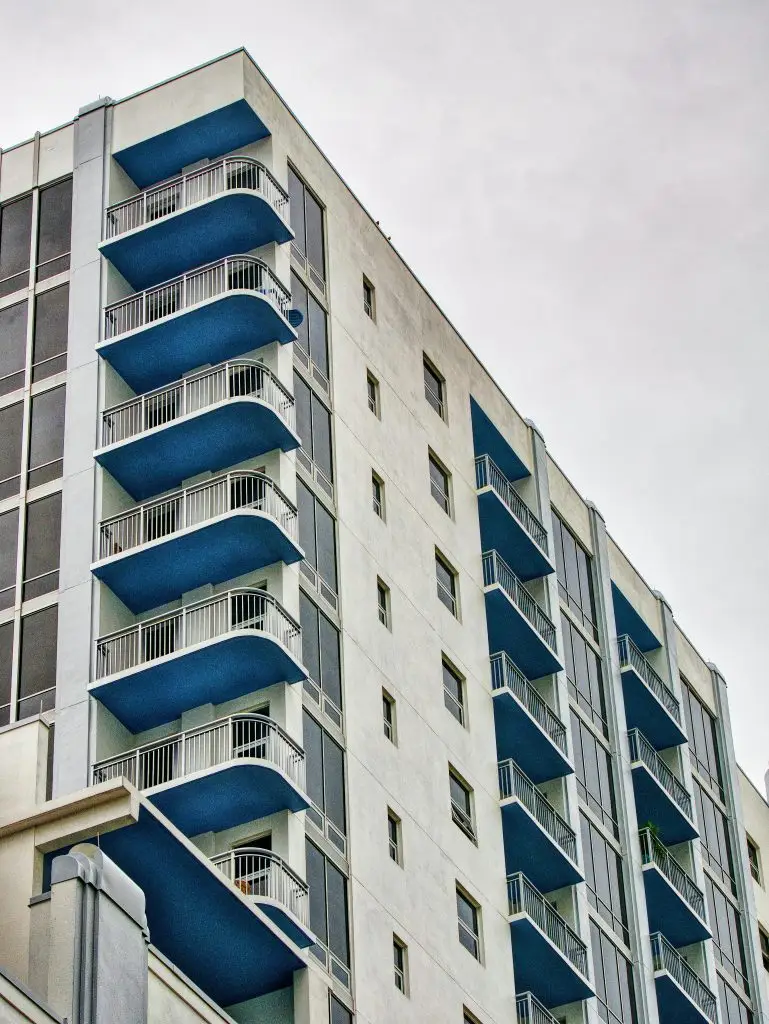
The Building Manager’s IAQ Obligation
If you manage a commercial building — whether it’s an office tower, a retail complex, a hotel, or a mixed-use property — indoor air quality is part of your job. Not as a best practice, but as a basic obligation to occupants, tenants, and visitors. Poor IAQ in a commercial building leads to tenant complaints, increased absenteeism, liability exposure, and in serious cases, regulatory action. Understanding what you’re responsible for — and what happens when it’s neglected — is essential for any building manager operating in South Florida’s challenging climate.
HVAC Maintenance: The Foundation of IAQ
The single most important thing a building manager can do for indoor air quality is maintain the HVAC system properly. This means:
- Filter replacement on schedule. Clogged filters restrict airflow, degrade IAQ, and force the system to work harder. In South Florida, with year-round operation and high ambient dust and pollen loads, filter inspection every 30 days and replacement every 60–90 days is typically appropriate.
- Coil cleaning. Evaporator and condenser coils accumulate biological fouling in South Florida’s humid environment. Annual professional cleaning — minimum — is necessary to prevent mold and bacterial growth on coil surfaces from contaminating supply air.
- Drain pan maintenance. Standing water in a dirty drain pan is a mold and Legionella risk. Quarterly inspection and cleaning, plus annual treatment, is standard practice.
- Ventilation compliance. ASHRAE Standard 62.1 establishes minimum ventilation rates for commercial buildings by occupancy type. Ensuring your system delivers adequate fresh air to all occupied zones is both an IAQ requirement and, in many jurisdictions, a code requirement.
Humidity Control: The South Florida Wild Card
South Florida’s climate demands that HVAC systems do double duty — cooling and dehumidifying. In a properly functioning system, indoor relative humidity should stay between 40–60%. Above 60%, mold growth risk increases sharply. Building managers should have humidity monitoring in place and should treat persistent elevated humidity not as a comfort issue but as a system performance issue requiring investigation. An HVAC system that cools but doesn’t dehumidify is failing at half its job.
Water Intrusion: Respond Immediately
Roof leaks, plumbing failures, and condensate overflow events need to be addressed within 24–48 hours to prevent mold establishment. This is not an exaggeration — in South Florida’s warm, humid environment, mold can begin colonizing wet building materials within 24 hours. Deferred response to water intrusion events is one of the most common causes of costly mold remediation projects in commercial buildings. The EPA’s guidance on mold remediation in commercial buildings is an essential reference.
When to Bring in a Qualified IAQ Professional
Building managers should engage a qualified IAQ professional when:
- Multiple occupants report similar respiratory, headache, or fatigue symptoms (a pattern suggesting a building-related cause)
- Visible mold is found anywhere in occupied or mechanical spaces
- An HVAC system has been off for an extended period (vacation shutdowns, renovations)
- After any significant water intrusion event
- Before and after major renovations (off-gassing from new materials, dust, and disrupted building systems all affect IAQ)
OSHA’s indoor air quality guidance provides the regulatory framework for employer obligations regarding IAQ in workplaces. While OSHA doesn’t have a specific indoor air quality standard, the General Duty Clause creates an obligation to provide a workplace free from recognized hazards — which courts have applied to serious IAQ problems.
The Cost of Deferred HVAC Maintenance
The math on deferred HVAC maintenance is straightforward and unfavorable. A $400 coil cleaning deferred for two years can result in a $2,000–5,000 equipment repair from compressor failure caused by restricted airflow. A $200 drain pan cleaning deferred for a season can result in a $15,000–50,000 mold remediation project. Tenant complaints and lease terminations from IAQ problems can cost multiples more. Qualified IAQ contractors like Full Spectrum Environmental and Green Fox Air Quality work with commercial building managers in South Florida to establish proactive maintenance and monitoring programs that protect both the building and the people in it.
Bottom Line
Commercial building IAQ is an operational obligation, not an optional enhancement. In South Florida’s climate, the consequences of neglect are faster and more severe than in most markets. A proactive HVAC maintenance program, humidity monitoring, and rapid response to water events are the foundations of a defensible IAQ program.